Artisan and handmade jewellery: how to spot the real thing
Walk into any gallery or scroll through a marketplace and you will see the words artisan and handmade everywhere. Some pieces are truly made at a bench by a designer-maker. Others are factory items dressed in craft language. How do you tell the difference?
This guide explains what artisan and handmade mean in jewellery, why it matters, and how to recognise authentic work at a glance. To bring it to life, we open the door to the John & Dawn Field workshop and show you how a piece travels from first sketch to secure clasp, complete with traditional techniques and purposeful marks that only hands can make.
What artisan means in jewellery
Artisan refers to a skilled maker who designs and produces work in small quantities, often one of a kind or in short runs. In jewellery, an artisan shapes metal, sets stones and finishes fittings themselves. They select materials, choose techniques, make decisions about texture and proportion, and accept the subtle variations that come from hand tools and heat.
So, is artisan jewellery good? Quality varies with any craft, but true artisan work is typically built for long wear, repaired by the maker when needed and coherent in design. You see decisions that come from a single eye and hand rather than a production line. Small scale does not mean fragile. It often means stronger solder joins, well-burnished edges and secure fittings that have been tested in daily use.
Are jewellery makers artisans? Many are. Artisan is not a protected title. The clearest indicator is the process. If a person designs, fabricates, finishes and stands behind the piece, artisan is a fair description.
What is handmade jewellery called? Handmade is the standard term in the trade for pieces made at the bench rather than mass-produced. You may also see maker-made, small-batch or one-off. At John & Dawn Field, handmade is the preferred and consistent term.
Inside the John & Dawn Field process
Every collection begins with a sketchbook. Shapes are refined into workable forms, and materials are chosen for contrast and balance. From there, metal and stones are brought together at the bench.
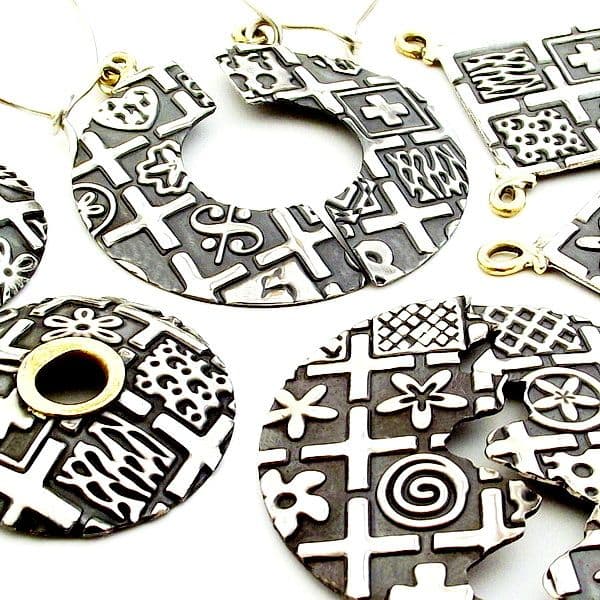
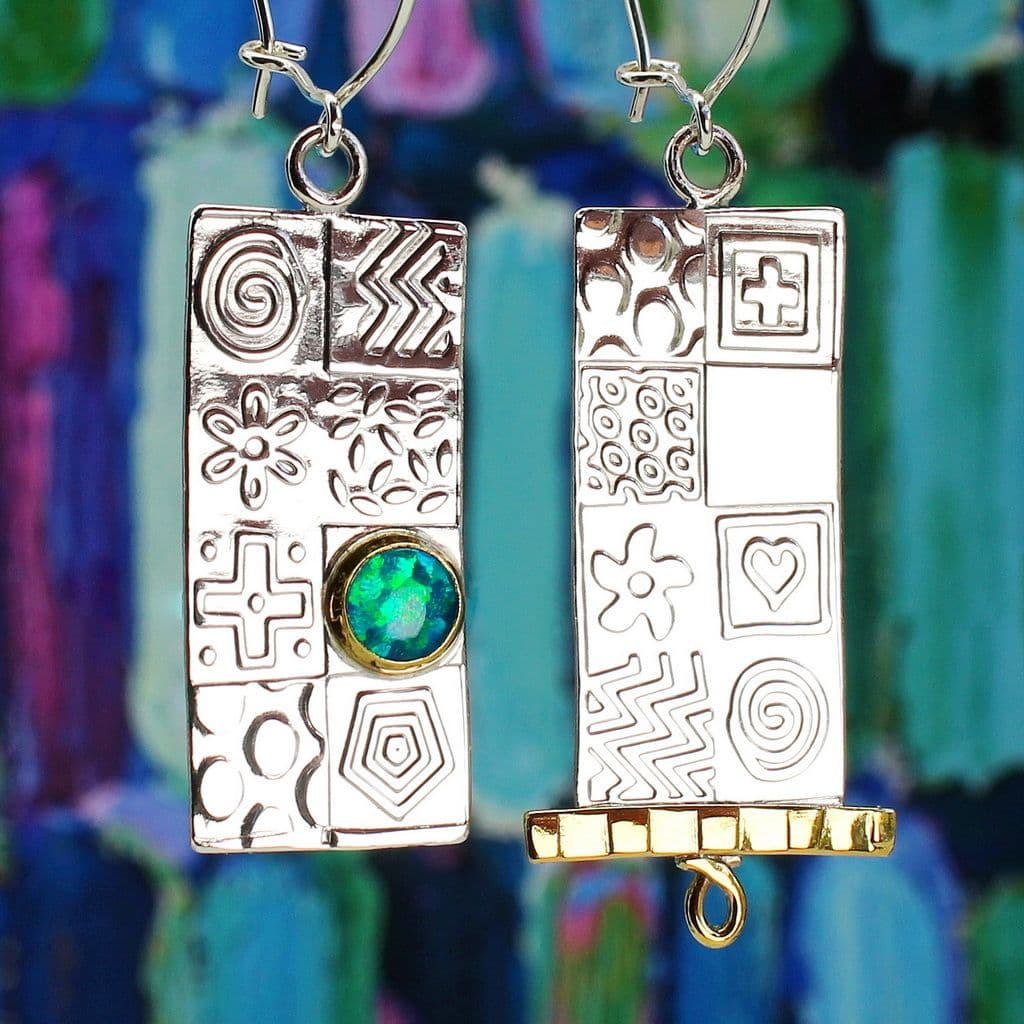
- Roller-printing and embossing: Textiles, hand-cut stencils and drawn marks pass through heavy rollers with sterling silver to leave permanent, tactile patterns. These impressions catch the light and tell you the pattern is pressed into the metal, not printed on top.
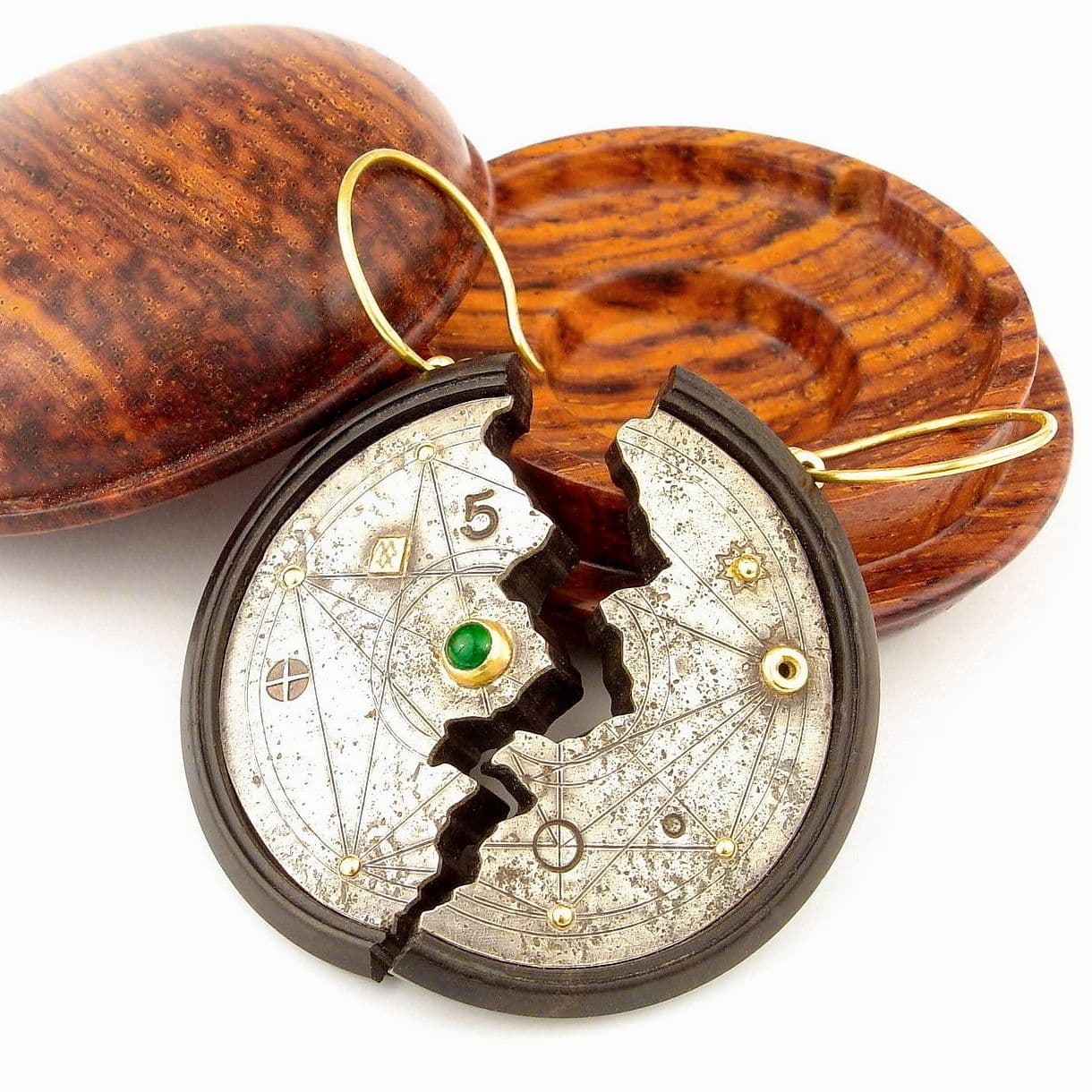
- Lost wax casting: For sculptural forms, a wax model is carved or built, invested and melted out to create a void. Molten silver fills the shape, preserving tool marks that are later refined. This is a centuries-old method that allows organic curves and crisp edges.
- Keum Boo: 24 carat gold foil is fused to fine silver under heat and pressure. The bond is metallurgical and permanent, not a surface paint. You can often feel a slight step where the gold meets the silver, a hallmark of the technique.
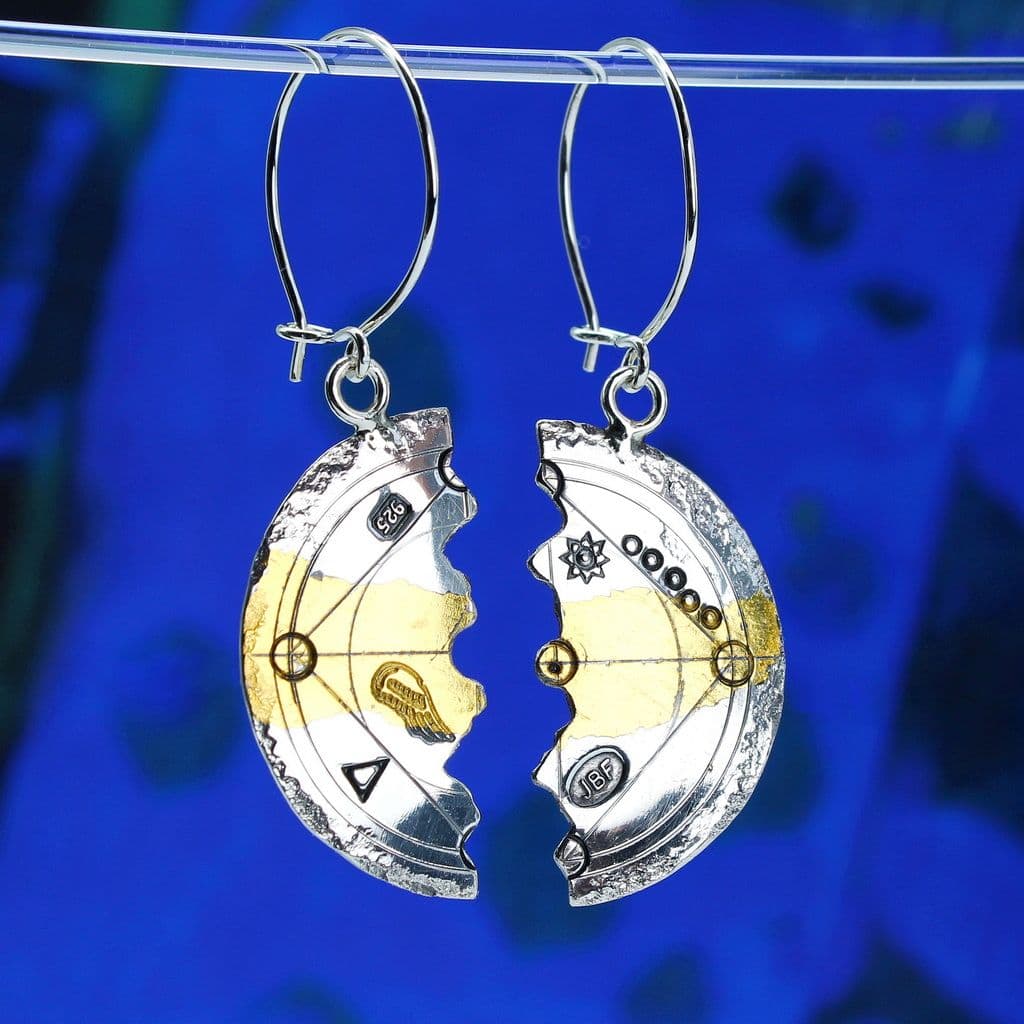
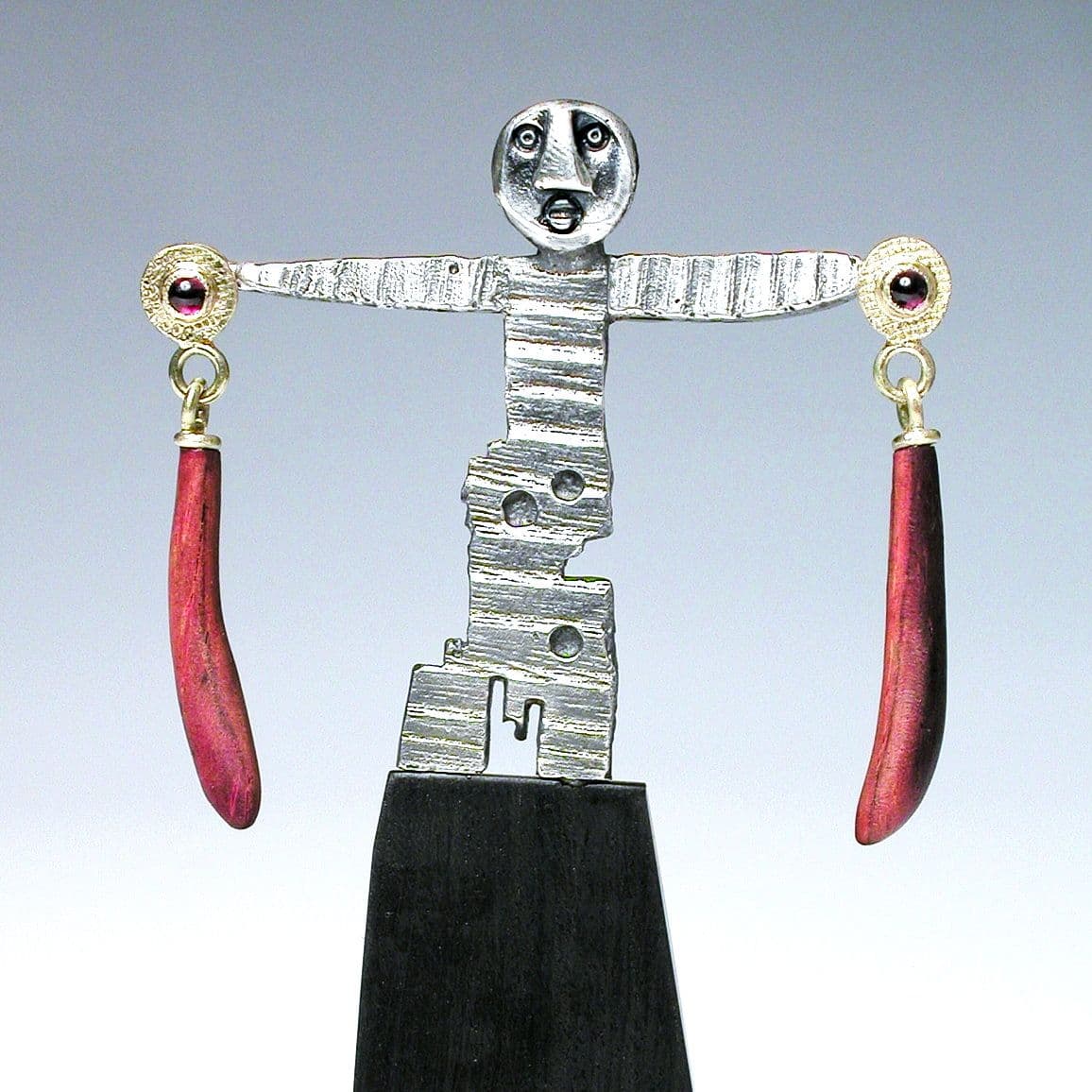
- Stone setting and wood carving: Cabochon gemstones are set into handmade bezels. Selected necklaces include hand-carved hardwood beads in cocobolo or African Blackwood, drilled and carved in the workshop.
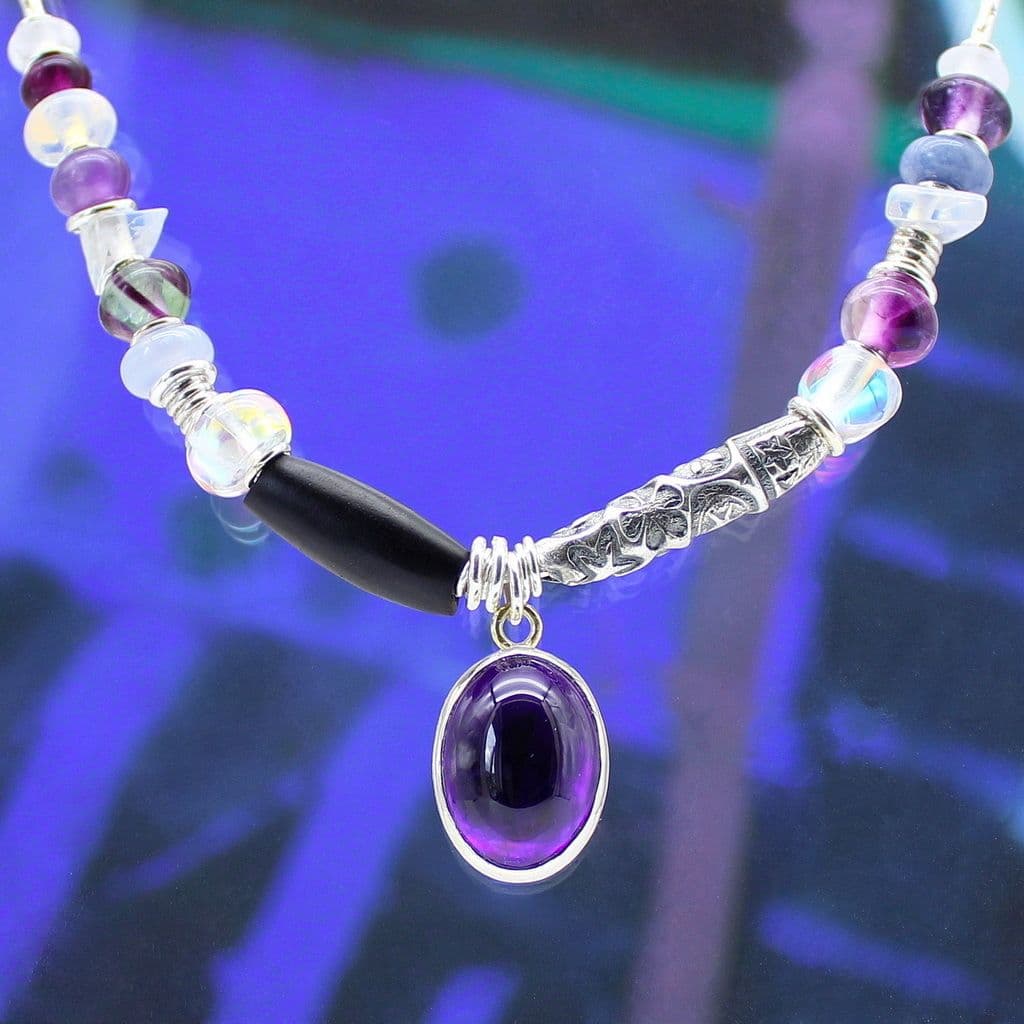
- Recycled silver (where stated): When a product page notes recycled sterling silver, the sheet or wire began life as reclaimed silver and has been refined to jewellery grade.
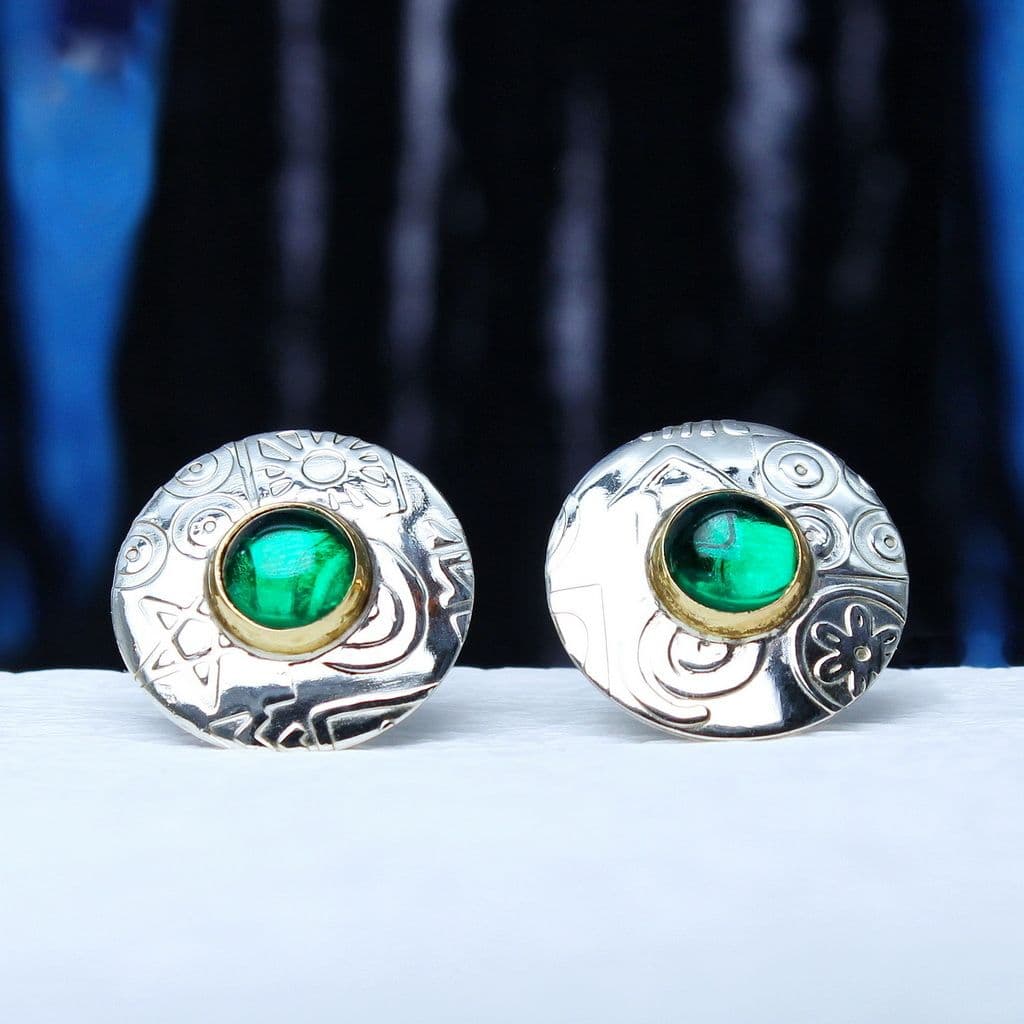
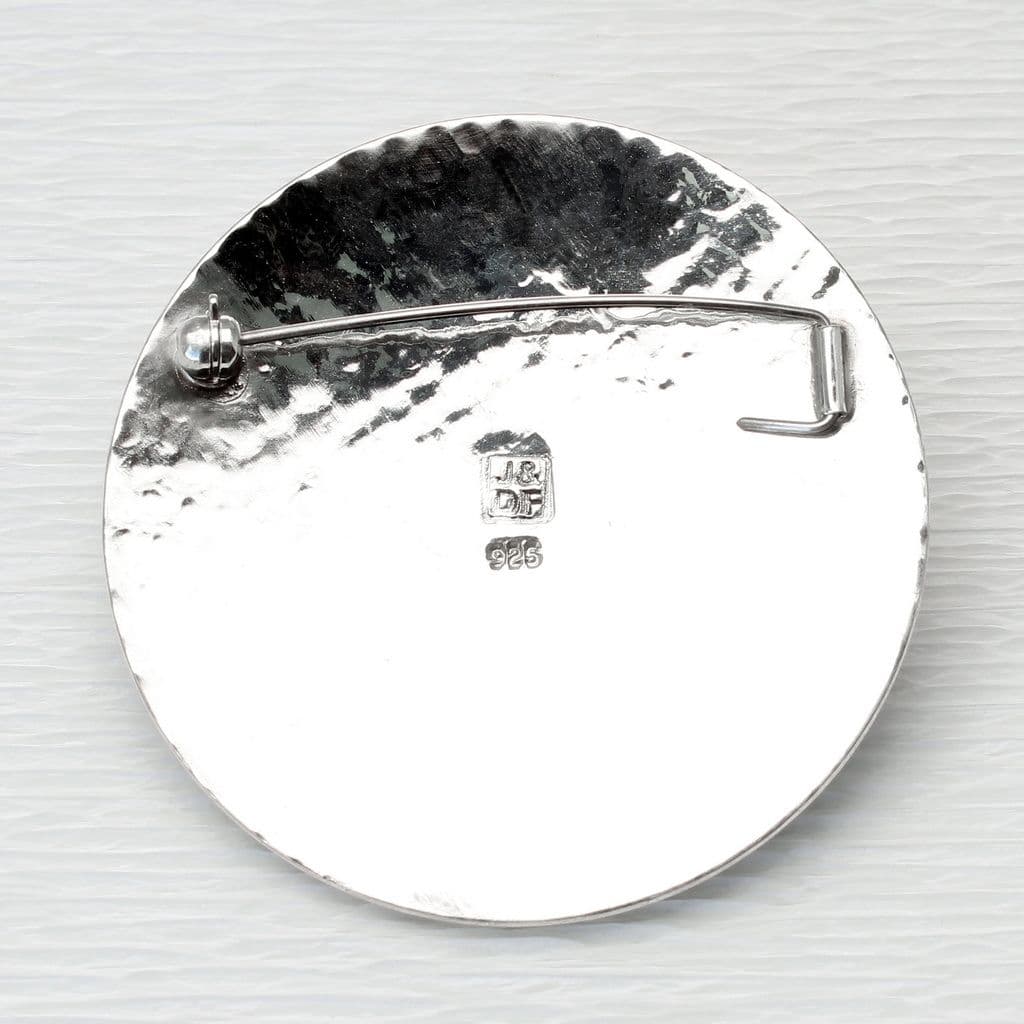
- Secure fittings: Posts, clasps and pin mechanisms are made for comfort and tested. Edges are smoothed, catches align and ear posts sit correctly so studs stay put.
From first solder seam to final polish, the piece is handled dozens of times. Small variations appear. A roller-printed texture lands a fraction higher on one stud than its partner. A burnished edge shows a subtle bright line where a hand file met the curve. These are the meaningful imperfections that signal handwork.
If you want to see how these techniques look in finished pieces, explore the range of handmade jewellery by John & Dawn Field. You can search by stone or form and spot roller-printed textures, Keum Boo highlights and secure fittings across the collections.
A brief customer story
One Saddleworth customer needed a last-minute birthday gift. She chose a pair of gemstone studs and asked for a specific stone. The order was confirmed, the ear studs were made and the parcel went out within the usual dispatch window. It arrived ready to give in a branded box. Months later, another customer from North Yorkshire lost one special stud. She emailed a photo. John identified the stone from past notes, then made a matching replacement so the pair could be worn again. The service is personal because the makers know their own work.
A practical checklist to spot true artisan work
Use this quick list when you are choosing a piece in a gallery or online.
- Look for the maker’s mark and clear attribution. Names, initials or a stamp indicate responsibility for the work.
- Read the materials and process notes. Specifics like roller-printed silver, lost wax casting, or Keum Boo are good signs.
- Examine fittings and backs. Hand-shaped pin stems, well-soldered jumps and neatly finished ear posts point to bench work.
- Expect small variations. Texture alignment, file lines and tiny asymmetries are normal in handmade pieces.
- Check for recycled silver where stated. Responsible makers will say when recycled sterling is used, not leave it vague.
- Ask about repairs and resizing. An artisan can usually service their own work and explain how.
Mass-produced vs handmade, at a glance
Factory items often repeat a surface pattern perfectly across hundreds of units. Seams are filed to a uniform matte and parts are pressed together rather than soldered. In artisan pieces, the pattern may shift slightly from left to right, bezels are formed around each stone and solder joins are clean but human. Neither is inherently bad, but if you are paying for handmade, those hand-readable signs should be there.
Choosing for occasions and personal commissions
Summer weddings and anniversaries invite colour and texture. If you like a vivid accent, consider exploring gemstone jewellery with amethyst, peridot or turquoise set in textured silver. A simple silver pendant or a sculptural silver necklace can anchor a neckline without competing with a dress pattern, while small, secure stud earrings suit all-day wear.
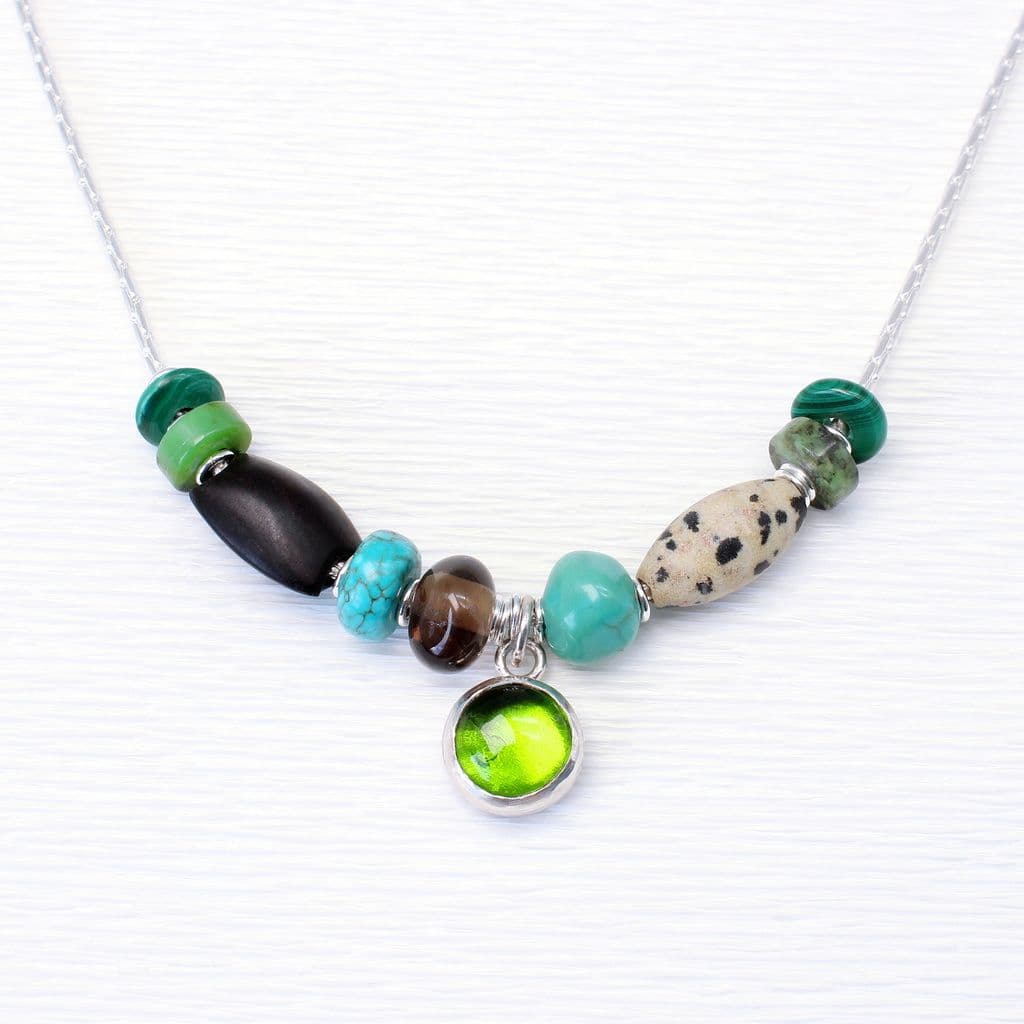
If you have a design in mind, John & Dawn Field welcome bespoke enquiries. You can discuss stones, embossing and symbolism for custom jewellery that marks a date or tells a story. For wedding parties, cufflinks can be personalised to link to a theme. For everyday wearers, tiny stud earrings or drop earrings can be specified in a favourite stone.
To search pieces for quick gifting, see the selection of jewellery gifts presented in branded boxes, ready to give or send.
Short FAQ
- What does artisan mean in jewellery? An artisan is a skilled designer-maker who creates jewellery in small quantities, making and finishing the work at the bench, often using traditional techniques.
- Is artisan jewellery good? Often, yes. It tends to feature stronger joins, thoughtful design and serviceable fittings. As with any purchase, assess materials, finish and aftercare.
- Are jewellery makers artisans? Many are. If a maker designs, fabricates and finishes the work themselves and stands behind it, artisan is an accurate term.
- What is handmade jewellery called? Handmade is the standard term. You might also hear small-batch or one-off, but handmade is the clearest descriptor.
Where to explore next
If you are ready to see authentic bench-made pieces, search John & Dawn Field’s handmade jewellery online. For a colour-led route, start with gemstone jewellery and filter by stone or style. If you have an idea for an anniversary or summer wedding, get in touch to discuss custom jewellery and timelines.
Summary: Real artisan jewellery shows its making. Look for a named maker, technique-led descriptions, secure fittings, recycled silver where stated and the purposeful variations that come from a human hand. Choose pieces that feel good in the hand and sit comfortably when worn. When you want something personal, a conversation with the maker is the most reliable path to the real thing.